Recycled-content composite, reclaimed or FSC-certified wood, and living hedges are the three most practical eco-friendly fencing routes available right now. Each solves a different problem: composite wins on low maintenance, reclaimed wood wins on character and lower embodied cost, and living hedges win on biodiversity. The real tradeoff isn’t sustainable versus unsustainable. It’s durability versus true circularity, and almost no material scores high on both.
TL;DR:
- Reclaimed or FSC-certified wood offers a balance of lower embodied cost and recyclability, but requires regular sealing and may have some impact from transportation.
- Living hedges provide biodiversity benefits and no landfill waste but take several years to establish effective screening and need ongoing pruning.
- Recycled plastic and composite fencing resist rot and insects for decades but are often difficult to recycle at end-of-life unless manufacturers have take-back programs.
- Metal fences are highly recyclable and durable but require energy-intensive production, making them a true circular option at the end of their lifespan.
- Proper installation, maintenance, and choosing durable materials with recycling options help maximize long-term sustainability and cost-effectiveness.
Table of Contents
- What Are the Main Eco-Friendly Fencing Options?
- How Do Durability, Carbon, and Disposal Compare?
- What Should You Ask Before You Buy?
- How Do You Install and Maintain a Fence Sustainably?
- When Does a Living Fence Make Sense?
- Why Professional Installation Improves Sustainability Outcomes
- The Practical Bottom Line on Sustainable Fencing
- Ready for a Sustainable Fence Installation?
- Sources
- FAQ
What Are the Main Eco-Friendly Fencing Options?
Every fence material sits somewhere on a spectrum between “grows back on its own” and “outlives you but can’t be recycled.” Knowing where each one falls matters more than any marketing label.
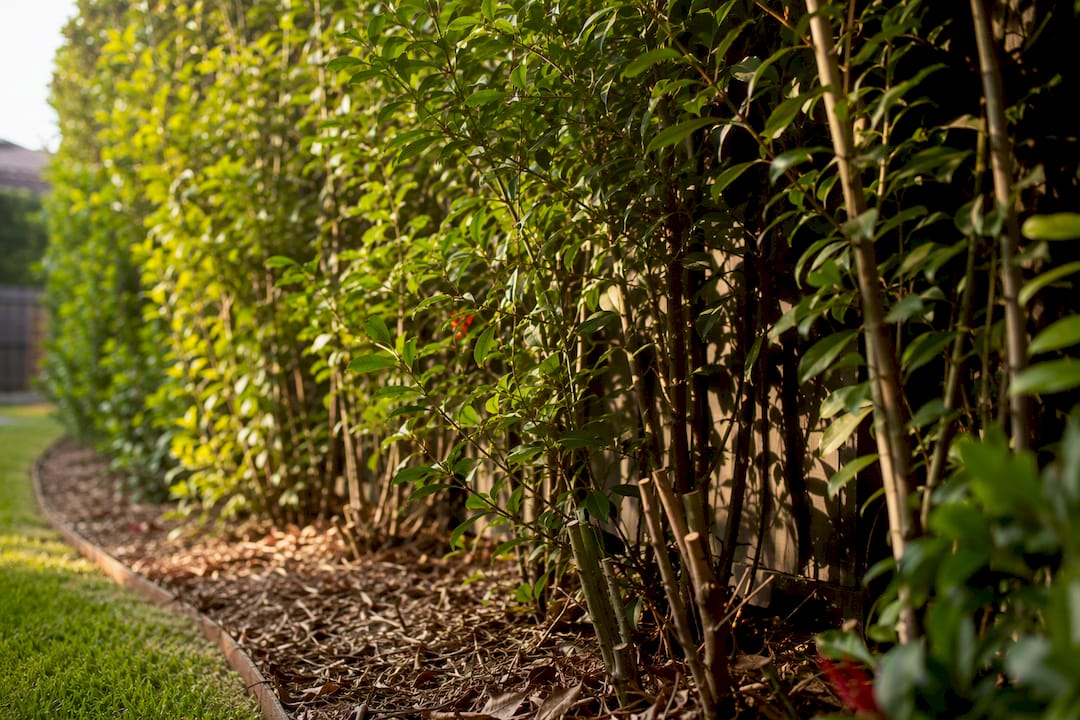
Living fences and hedgerows. A dense hedgerow of native shrubs gives you privacy, a home for birds and pollinators, and zero landfill impact when it dies. The catch: expect two to four years before it reaches real screening height, and you’ll prune it a few times a season. Pets that dig or squeeze through gaps won’t be fully contained until the growth fills in.
Reclaimed or FSC-certified wood. Salvaged lumber and boards certified by the Forest Stewardship Council both avoid the environmental cost of fresh clear-cutting. Reclaimed wood carries character new lumber can’t fake, but it needs regular sealant work to last.
Recycled-plastic and composite fencing. These panels blend recycled wood fiber and plastic into a low-maintenance product that resists rot and insects for decades. Some manufacturers now produce fencing made from 100% recycled plastic, though local recycling access for the finished product varies by region.
Metal fencing. Aluminum and steel take real energy to produce, but both are highly recyclable at the end of their life and can be salvaged for scrap or reuse rather than dumped.
Bamboo and woven hurdle fencing. Bamboo regrows in a few years rather than decades, making it one of the fastest-renewing fence materials available, though panels weather faster in wet climates.
Niche natural builds. Dry-stacked stone and cordwood construction work well when the raw material is genuinely local, cutting transport emissions to nearly zero.
How Do Durability, Carbon, and Disposal Compare?
The material that costs less upfront often costs more over a fence’s full life. That’s the calculation most buyers skip.
- Lifespan and upkeep: wood fences typically need a fresh coat of non-toxic sealant every three to five years; composite and metal go decades between major interventions.
- Embodied carbon: a reclaimed cedar fence built from local salvage usually beats a stone or metal fence trucked in from out of state, simply because transport emissions add up fast.
- End-of-life reality: composite is durable but often difficult to recycle unless the manufacturer runs a take-back program. Metal recycles easily at scrap yards. Reclaimed wood can often be salvaged again.
- Hidden pollutants: older pressure-treated lumber can leach chemicals into soil, and degraded plastic composite sheds microplastics over time.
Pro Tip: A fence with a lower price tag but a 10-year replacement cycle usually costs more over 30 years than a pricier option that lasts 25 years without a rebuild. Run the math over decades, not just the first invoice.
One line from the comparison at Earth911 sums up the whole category: durability and circularity are usually a tradeoff, not a package deal. Metal and composite last the longest but recycle unevenly. Living fences and reclaimed wood recycle cleanly but need more hands-on care.
What Should You Ask Before You Buy?
Picking the right material comes down to five questions you can answer before you ever call a supplier.
- What’s the fence actually for? Privacy, pet containment, and property lines each favor different heights and materials.
- What’s your climate like? Humid regions punish untreated wood and bamboo faster than dry ones.
- How much maintenance will you realistically do? Be honest. A fence that needs biannual sealing will get neglected if you hate yard work.
- What’s your budget window? Upfront cost and 20-year cost are two different numbers.
- Does biodiversity matter to your decision? If so, living or hybrid fences deserve real weight.
When you call suppliers, ask directly: What’s the recycled-content percentage? Is there a take-back or recycling program at end-of-life? What’s in the sealant or finish, and is it low-VOC? What’s the warranty, and what lifespan does it actually reflect?
Red flags: vague answers like “it’s eco-friendly” with no percentage attached, no mention of disposal options, and finish products the supplier can’t name. If a company can’t answer basic questions about recycled content and take-back policies, keep calling around.
How Do You Install and Maintain a Fence Sustainably?
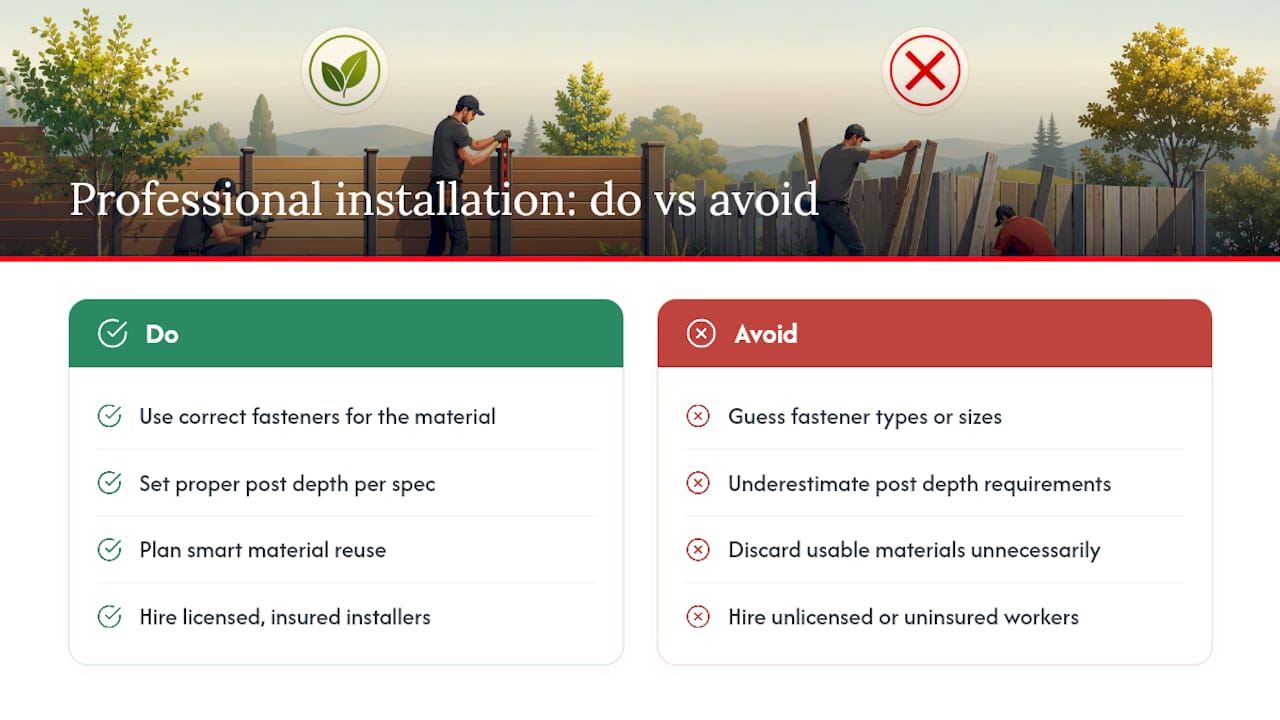
The build details matter as much as the material choice. Stainless steel fasteners resist corrosion far longer than standard galvanized hardware, which means fewer repairs and less waste over time. Setting posts in properly compacted gravel with a concrete collar, rather than a full concrete plug, often improves drainage and reduces cracking in freeze-thaw climates. If you’re in a windy region, wind-resistant fence specs matter more than most homeowners realize before a storm proves it.
- Use low-VOC sealants and stains, reapplied every 3 to 5 years, to gain benefits of low VOC finishes limiting soil contamination.
- Repair damaged sections before replacing the whole run. Extending a fence’s working life through targeted fixes cuts waste more than any material swap.
- Salvage usable boards and posts from old fences for garden beds, compost bins, or new sections.
- Call the manufacturer about take-back programs before hauling composite or metal to a landfill; scrap yards will often take metal for free.
When Does a Living Fence Make Sense?
A living fence is worth the wait when privacy isn’t needed on day one and you want long-term biodiversity payoff. It’s the wrong call for a rental property or a tight timeline.
- Temperate climates: dense flowering or evergreen shrubs work well for year-round screening.
- Dry climates: drought-tolerant native shrubs handle heat stress better than imported ornamentals.
- Warm, humid climates: fast-growing tropical shrubs fill in quickly but need more pruning.
Hybrid setups often work best: reclaimed posts paired with hedging, or a trellis with climbing native vines for near-instant screening while the plants mature. Containerized bamboo also solves the invasiveness problem some homeowners worry about.
Pro Tip: Plant a fast-growing hedge alongside a low structural fence for immediate privacy, then let the hedge take over as the main boundary within a few seasons.
Why Professional Installation Improves Sustainability Outcomes
Correct fastener choices, proper post depth, and smart material reuse aren’t guesswork. Getting them wrong means early failure and more waste. Actionfenceanddeck brings over 20 years of licensed, insured experience to sustainable builds, and offers free quotes so homeowners can compare options before committing.
The Practical Bottom Line on Sustainable Fencing
Prioritize lifespan and circularity together, not separately, and always fold maintenance and disposal into your cost comparison before you sign anything. When in doubt, get a quote and ask a professional to walk you through the lifecycle math.
— Abraham
Ready for a Sustainable Fence Installation?
Most eco-fencing guides stop at material advice and leave you to figure out installation yourself, which is exactly where sustainability gains get lost to bad fastener choices or a rushed post-setting job. Professional crews with significant experience build custom wood fencing using sustainable materials and techniques tailored to each property’s budget and goals.

Whether you’re weighing reclaimed cedar against composite, or want a hybrid living-fence design built around a structural frame, the right build details determine whether your material choice actually pays off over 20 years. Their team walks through recycled-content options, sealant schedules, and post-setting specs suited to your climate. If you’re comparing costs first, the fence installation cost breakdown is a useful starting point, and their privacy fence build guide shows real project details. When you’re ready to move forward, request a free quote and get a straight answer on materials, timeline, and price for your property.
Sources
- 8 Amazing and Eco-Friendly Fencing Options
- Eco-Friendly Fencing: Which Option Is Best for the Earth?
- Sustainable Fencing Ideas That’ll Make You Want to Ditch Man-Made Fences in Your Garden
FAQ
What is the most environmentally friendly type of fence?
Living hedgerows rank highest for biodiversity and carbon benefits since they avoid landfill disposal entirely, while FSC-certified or reclaimed wood is the strongest practical option when you need an actual structure.
What are the downsides of composite fencing?
Composite lasts for decades with low upkeep, but it’s often hard to recycle at end-of-life unless the manufacturer offers a take-back program, so ask about that before you buy.
What are some affordable alternatives to a fence?
Dense native hedging, dead hedging built from prunings, and reclaimed-material panels all cut new-material costs compared to buying new lumber or composite outright.
What are some eco-friendly fence panels available?
Recycled-plastic composite panels, FSC-certified wood boards, and salvaged lumber panels are the three most widely available eco-conscious options. Actionfenceanddeck can help you compare sustainable material choices suited to your budget and property through a free quote.